How to humanize AI cover letter drafts without changing facts
What it means to humanize AI cover letter drafts
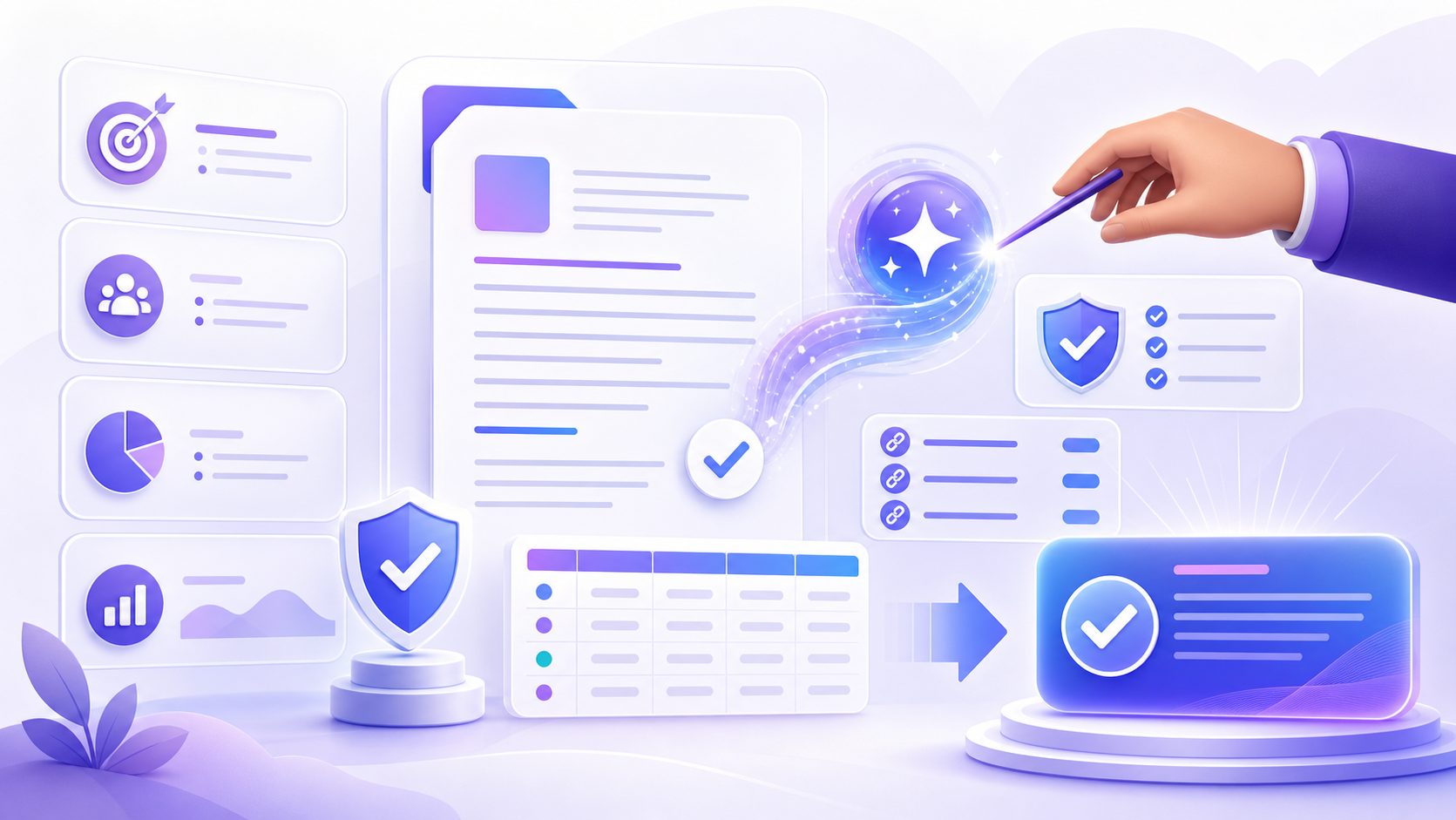
To humanize AI cover letter drafts responsibly, strengthen the voice, specificity, and flow while keeping every statement about your background fixed unless your own records justify changing it. The goal is a letter that reads like it came from a thoughtful applicant, not a generic template. After the edit, your employers, dates, job titles, education, credentials, tools, responsibilities, and results must still describe the same real experience.
CareerOneStop advises job seekers that an AI program can help create a draft from a resume and job posting, with a later edit reflecting the applicant's own voice, skills, experience, and interest in the role. In that sequence, control returns to the person. The generated text remains a starting point; the applicant is still responsible for deciding what is true, relevant, and ready to submit.
The point of this workflow is not to guess whether a detector will flag a sentence, and the process cannot guarantee an interview or hiring outcome. A detector score does not establish that an application is accurate, persuasive, or suitable for a particular employer. When you humanize a cover letter, compare the result with your source documents, the job announcement, and your genuine reasons for applying rather than with any promise of being undetectable.
Build a source packet before you edit
Before you edit an AI-generated cover letter, gather the precise materials that should guide the rewrite: your saved job posting, the resume you will submit, the application profile, verified work notes, and any instructions from the employer. Keep using those same versions for the entire review. If the job page changes afterward, the saved copy remains a clear record of the qualifications and submission details that shaped your response.
Make a brief source note for the role. Capture the exact position title, employer name, the location or work arrangement given in the posting, the required documents, and the skills or experience the employer actually names. Include employer details only if they appear on an official employer page or in the posting. Never allow a model to fill a gap by inventing a team mission, product launch, company value, or hiring manager name.
For U.S. federal applications, USAJOBS explains that an announcement's Required Documents section shows what may be required or optional. Its application-document guidance says a cover letter may present job-relevant skills or goals, or call attention to material that is not in the resume. Because that advice is specific to USAJOBS, applicants elsewhere should follow the named employer's instructions. PenHuman's resume writing tools guide can help organize the related resume task without merging the two documents.
- Save the exact job posting used for the draft
- Use the same resume version that will be submitted
- Keep verified notes for every example or result
- Record employer instructions without paraphrasing them
Lock every factual claim in the draft
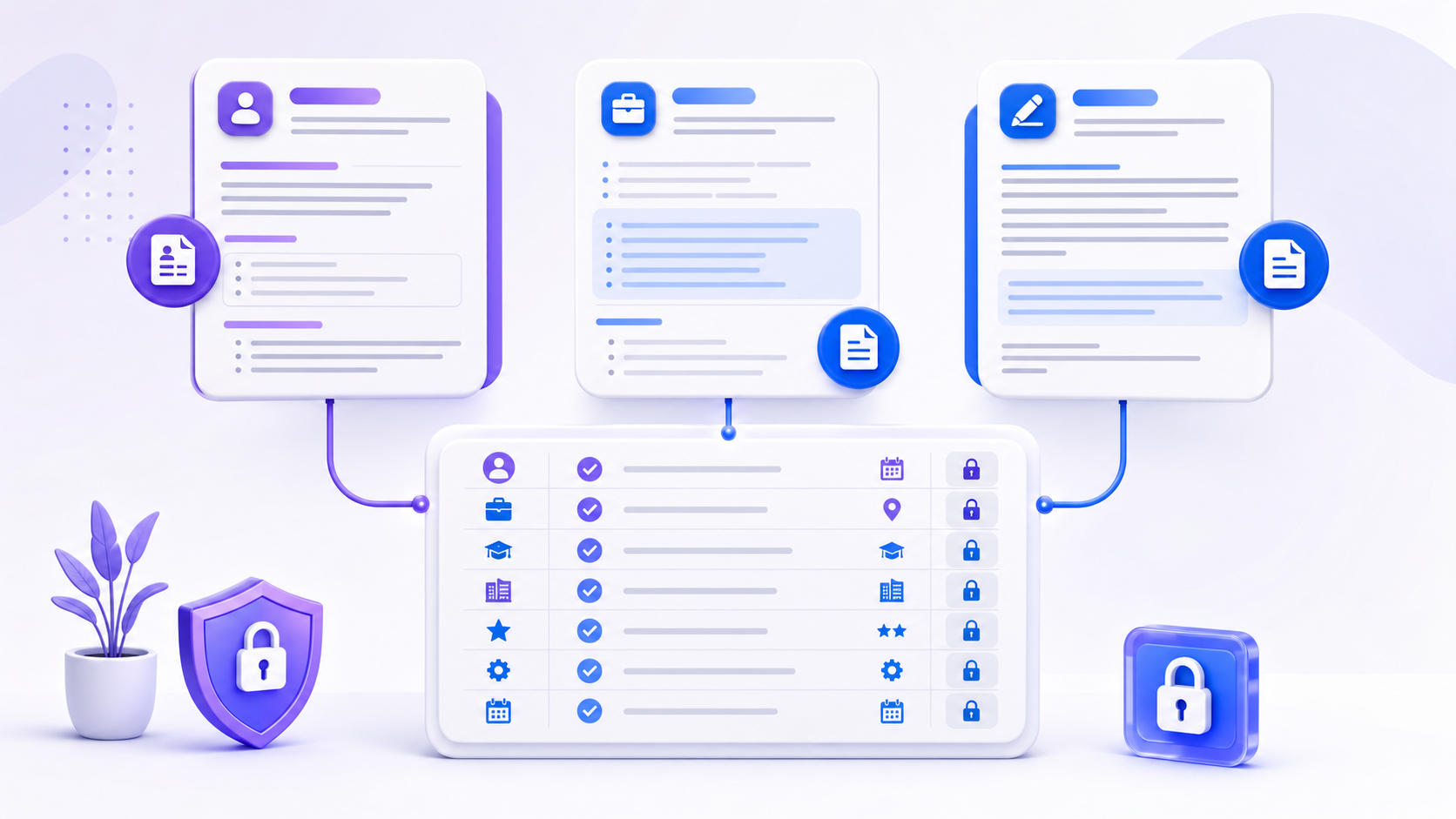
Before revising the prose, convert your source packet into a concise fact ledger. Enter every employer, role, date, degree, credential, tool, responsibility, project, and measurable result found in the draft. For each entry, cite the resume line, record, or note that verifies it. That record exposes any factual change, even when the rewritten sentence sounds polished and believable.
According to NIST, confabulation occurs when Generative AI confidently produces content that is erroneous, false, inconsistent with the prompt, or inconsistent with earlier output. In a cover letter, that risk can surface through small changes: an upgraded job title, an invented metric, a tool you did not use, or a level of ownership stronger than the evidence supports. Even a fluent sentence still needs a source check.
Use one straightforward rule for every unsupported statement: delete it, substitute a verified fact, or pause the draft until you can confirm it. Do not preserve an uncertain claim merely because it seems modest, and do not turn a missing fact into an indistinct implication. The fact ledger should also keep negations, limitations, units, and scope fixed, since changing any of them can change what you claim to have done.
- Identity facts: names, employers, roles, locations, and dates
- Qualification facts: education, credentials, skills, and tools
- Evidence facts: projects, responsibilities, outcomes, and metrics
- Boundary facts: limitations, shared ownership, and work not performed
Turn generic sentences into evidence you already have
Generic enthusiasm often comes across as artificial because it asks the reader to believe a label without supporting evidence. Trade that broad claim for one relevant example you can verify. Rather than adding a dramatic success story, choose a real task, briefly explain the situation, state your contribution accurately, and link it to a need named in the job posting. Specificity should come from your own history, not from creative expansion.
A practical paragraph typically links three things: a requirement in the posting, evidence from your background, and the value of that evidence for the target role. Keep shared work shared. If a team delivered the result, describe your own part instead of claiming the entire outcome. If you cannot confirm a number, use a truthful nonnumeric description or leave the result out rather than estimating it.
CareerOneStop recommends tailoring each cover letter to the position and presents 200-400 words in 3-4 short paragraphs as a practical model, not a rule for every employer. That range encourages selectivity. Use your strongest verified examples rather than forcing your entire resume into prose, and use a different length or structure whenever the job announcement or application system gives specific instructions.
Make an AI cover letter sound human with sentence-level choices
To make an AI cover letter sound human, replace a template-like opening with a direct reason for applying that you can genuinely stand behind. State the role, connect the work to your relevant experience, and move quickly to evidence. Avoid manufacturing intimacy, exaggerating your excitement, or claiming that you have followed the organization for years unless those statements are true.
Vary sentence length only when the idea calls for it. A short sentence can state your purpose, while a longer one can connect your experience to the role. Choose familiar verbs over inflated wording, cut transitions that only announce the next point, and keep every paragraph focused on one contribution. Clear thinking and careful selection create a natural rhythm; random slang, fragments, and deliberate mistakes do not.
Match the tone to the way you communicate professionally. A first-time applicant, a technical specialist, and a senior leader may each sound different while still being precise and courteous. Read the paragraph aloud, then flag any phrase you would never use in a professional conversation. Put that phrase into your own words, then check once more that the factual meaning and level of confidence have not changed.
- Open with a real reason for this role
- Use one verified example per main point
- Choose ordinary verbs over inflated phrasing
- Remove filler that does not advance the application
Use an AI cover letter humanizer one paragraph at a time
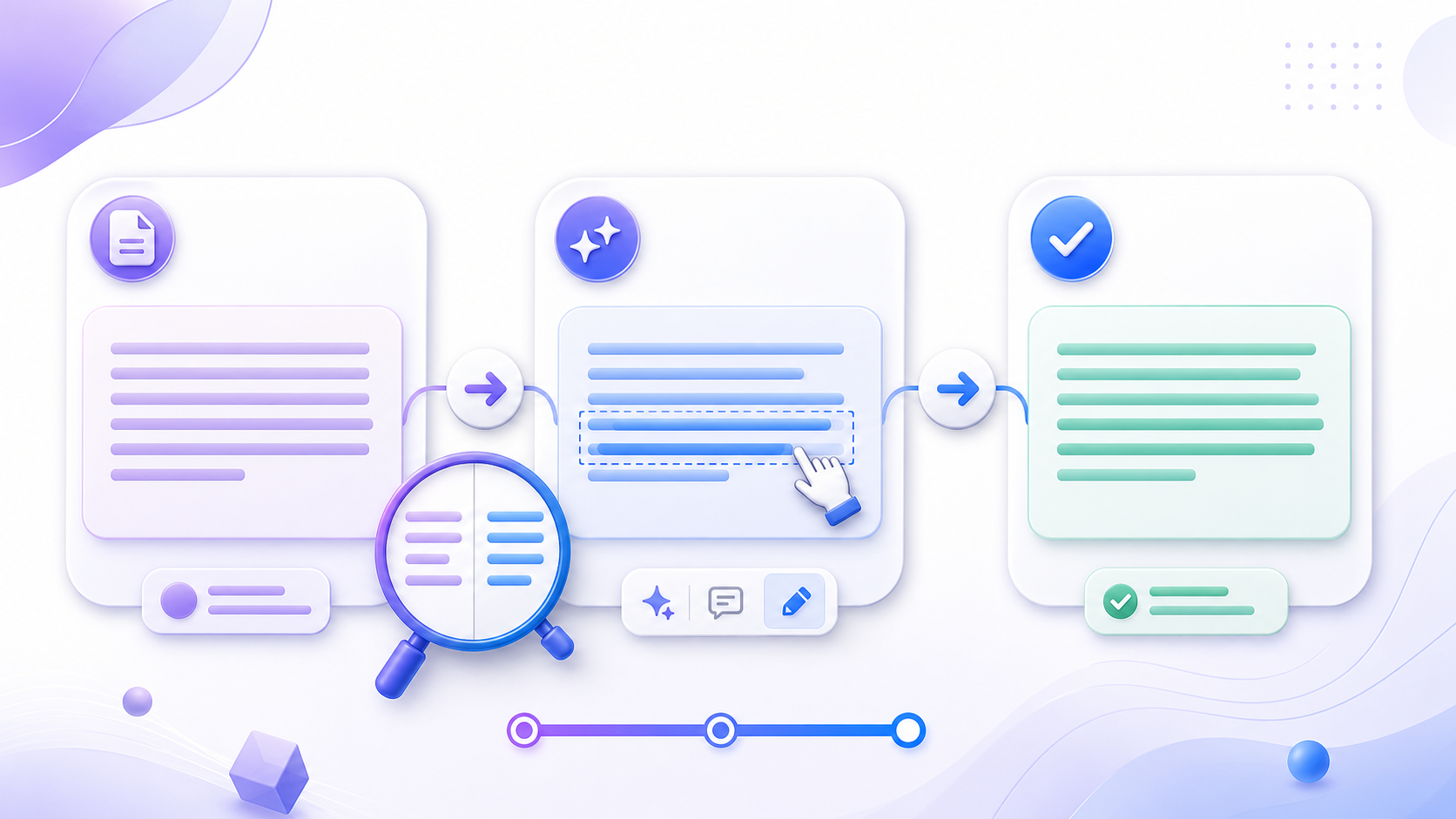
An AI cover letter humanizer works most safely when you keep the task bounded. In PenHuman, send one complete paragraph, place the original beside the output, and treat the response as a candidate rather than an approved replacement. When you humanize AI cover letter text in small blocks, it is easier to spot a missing qualification, changed date, stronger claim, or new detail before it travels through the document.
Review the candidate sentence by sentence. Reject it if any name, number, unit, credential, job title, employer detail, quoted wording, negation, or level of certainty changes. Reject unrelated material, placeholders, grammar problems, and awkward keyword placement as well. If the candidate's rhythm is useful but one phrase is unsafe, repair that phrase from the original source, repeat the factual comparison, and only then accept the paragraph.
Keep a straightforward review trail that records the original, every candidate, the accepted version, and the source used to confirm its claims. PenHuman's responsible SEO humanization workflow demonstrates the same source-first discipline in another content setting, while the AI versus human writing guide explains why human judgment is still central. Although the document type changes, provenance and deliberate review continue to serve as useful controls.
- Send one complete paragraph per request
- Keep the original visible during comparison
- Treat every output as an untrusted candidate
- Record why the accepted paragraph is faithful
Check the complete application, not only the prose
Even a polished letter can still conflict with the rest of the application. Check the final draft against the submitted resume, profile fields, portfolio, and required forms. Wherever they describe the same fact, job titles, dates, credentials, contact details, and project descriptions should agree. When two documents provide different levels of detail, the fuller version should explain the shorter one rather than contradict it.
USAJOBS explains that applicants for U.S. federal roles must certify the accuracy of their application information. Its guidance warns that misrepresenting experience or education, or submitting false or fraudulent information, may be grounds for not hiring an applicant or for terminating them later, with additional consequences possible under federal rules. This is guidance for federal jobs, not a universal statement about every employer or jurisdiction, but it illustrates why factual review matters.
End by checking the operational instructions in the actual posting. Confirm whether a letter is requested, optional, or unnecessary; review the accepted file type and naming convention; then verify the recipient, contact details, links, and deadline. Do not include sensitive personal data merely to make the letter seem specific. Your final submission must satisfy both the employer's current instructions and your own factual standard.
Run a final review before you submit
Read the complete letter once for its meaning, then once for its mechanics. During the meaning pass, check that each paragraph proves a relevant point and every claim still agrees with the fact ledger. During the mechanics pass, review grammar, punctuation, repeated phrases, spacing, names, links, and document formatting. Reading aloud can reveal stiff wording, but comparing the draft with its sources is what protects accuracy.
Keep the applicant as the final decision-maker. A tool can offer wording, but it cannot know which experience feels most representative, which motivation is sincere, or whether an employer-specific statement remains current. Store the approved letter alongside the job posting and the resume version used to create it. This record simplifies later updates and lowers the chance that an old detail carries into a new application.
Responsible efforts to humanize AI cover letter drafts follow a straightforward sequence: begin with sources, rewrite in small blocks, compare every claim, and review the assembled application. PenHuman can assist with the language-editing step, but you retain authority over the facts, relevance, and submission choices. The finished letter should sound more like you because your evidence and judgment shaped it, not because it was made to chase a detector score.
- Every claim has a source in your records
- The letter matches the submitted resume and application
- The role and employer details match the saved posting
- No candidate introduced a new fact or stronger promise
- The final file follows the employer's instructions
Frequently Asked Questions
Can I use AI to draft a cover letter?
CareerOneStop explains that an AI program can help create a cover letter draft from a resume and job posting, which the applicant then edits to reflect their own voice, skills, experience, and interest. Because employer rules and application instructions can vary, review them first. When you edit an AI-generated cover letter, verify every claim before submitting it; the goal is to humanize a cover letter, not replace your experience with generated details.
What should an AI cover letter humanizer never change?
An AI cover letter humanizer should not change your employers, roles, dates, education, credentials, tools, responsibilities, results, numbers, units, limitations, negations, or level of ownership. It should likewise keep the job-specific names and requirements drawn from the posting. If it introduces a fact you cannot verify, remove that fact or replace it with evidence from your own records before you accept the paragraph.
Should a cover letter repeat my resume?
Not line by line. CareerOneStop recommends choosing examples or language that differ from the resume, while USAJOBS says a cover letter may highlight relevant skills, goals, or material the resume does not include. Even so, the documents should remain consistent. Use the letter to connect selected evidence to the target role, and follow any instructions in the employer's current job announcement.
Does humanizing a cover letter guarantee interviews or detector results?
No. No editing workflow or AI cover letter humanizer can guarantee an interview, hiring decision, or detector outcome. When the applicant reviews the work carefully, humanization can sharpen clarity, voice, and relevance; those improvements still do not prove factual accuracy by themselves. Assess the final letter against your records, the job posting, and the complete application, rather than trusting an unsupported performance promise.